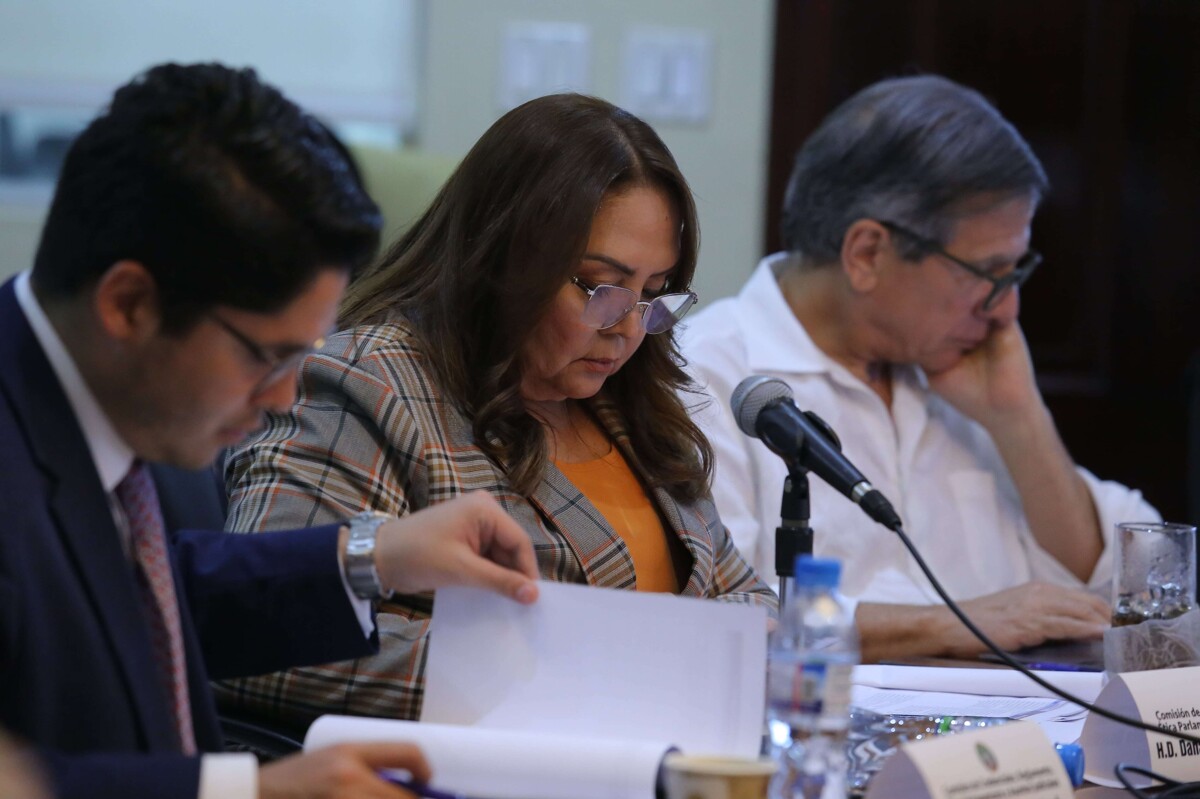
After months of debate marked by disagreements and negotiations, the Credentials Commission of the National Assembly approved in its first debate the reforms to its internal regulations after reviewing a total of 240 articles. The process, which focused tensions between blocs, represents, according to deputies, a 'first step' in updating the rules governing the functioning of the Legislature. According to the deputy from the Vamos bloc, Augusto Palacios, during this stage, 37 articles were modified. 'I am one of those who believes that if we have the majority to discuss it, we must do so without fear and approve the necessary changes,' he stated. However, he acknowledged that other deputies oppose even debating the regulation, considering that the discussion is more of a media spectacle than a real need. When asked about the possibility of the internal regulations being approved before the end of the ordinary session period, Cedeño expressed skepticism: 'I don't think so, because that would imply entering into a controversial discussion, inside and outside the Assembly.' Although he avoided qualifying the changes as superficial, he acknowledged that the result does not fully reflect the aspirations of his political group, which pushed for deeper adjustments in key aspects of the regulations. 'It was an important step for the National Assembly,' he pointed out. Palacios stated that, despite the limitations of the first debate, his bloc will insist on introducing additional proposals in the next discussion phase. As he explained, the Assembly has a margin of three weeks to discuss and approve the initiative before the end of the ordinary session period, scheduled for April 30. The discussion of these reforms runs parallel to other high-profile issues on the legislative agenda, such as the designation of the People's Defender, the election of a new magistrate for the Electoral Tribunal, and the debate on bioethanol, which keeps the legislative calendar under pressure in the final stretch of the ordinary period.
Among the points that generated the most tension and were approved, Palacios mentioned the article on salary deductions for deputies who are absent without justification. 'If there is no consensus in 10 days, it must be taken to a vote, yes or no,' he specified. Currently, the regulations do not set specific deadlines, which— as he recalled— caused a delay of about 35 days this year in the installation of the committees. Now, the president of the Credentials Commission must take the document to the plenary for discussion in the second debate. During the approval of the project, Castañeda described this step as 'historic,' as, after decades, no changes had been made to the internal regulations. Some deputies, such as Alaín Cedeño, from the Realizing Goals bloc, have pointed out that this issue has evidenced divisions within the parties. He explained that the reform establishes a maximum of 10 business days for its formation and five additional days for its formal installation. 'There are people who think that changing details of the regulations is not going to fix anything,' he stated. 'We achieved consensus so that the projects are attended to in the order in which they were presented,' he indicated. The deputy also highlighted an advance related to the deadlines for forming and installing the committees. Another aspect that sparked 'quite a passion,' according to the deputy, was the proposal for legislative bills to be debated in chronological order. Among them, he mentioned the elimination of secret voting in the plenary and the review of benefits that deputies currently maintain, such as exemptions for vehicle purchases, issues that have been the subject of public criticism. The deputy also anticipated that it is expected that the project will be taken to the plenary in the coming days by the president of the Credentials Commission, Dana Castañeda. 'It would lift spirits and generate a political movement that is better handled with calm,' he assured.