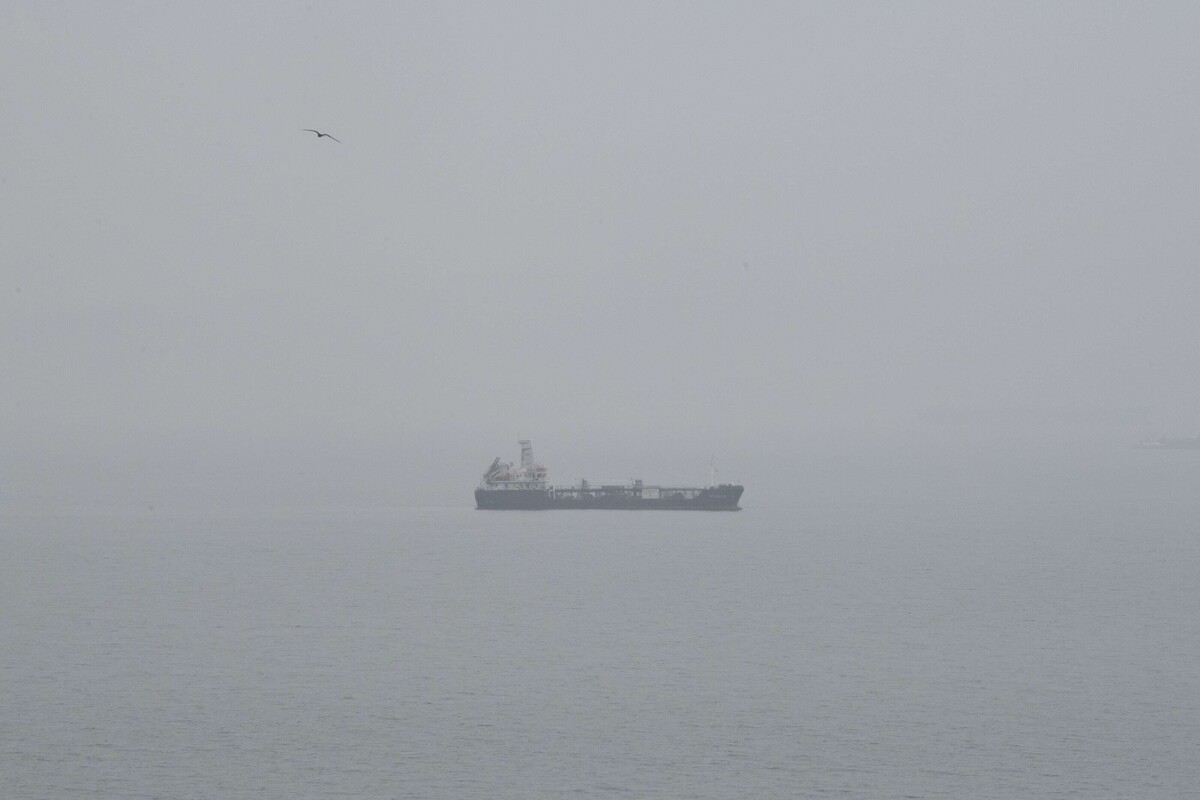
These tankers are among the last vestiges of a period when more than half of Venezuela's oil exports—the main source of income for the Maduro regime—were transported in 'ghost ships' to Asia. Amid the global oil supply shortage caused by the closure of the Strait of Hormuz, the stranded tankers highlight Venezuela's difficulty in operating with full transparency, even after the broadest easing of U.S. sanctions on Venezuelan crude since 2019.
'How much oil do Venezuela's tankers hold?' The supertankers Romana and MS Melenia, along with the Galaxy 3 vessel, collectively loaded 5 million barrels of crude in mid-December, according to data. After the seizure of the tanker Skipper by U.S. naval forces on December 10, the ghost ships remained in place and did not set sail even after Maduro was captured weeks later.
For months, oil marketers have been trying to calculate how many ghost ships remain in Venezuela, as each barrel gains value amid a global shortage caused by the war with Iran. Three tankers from the 'dark fleet' that loaded Venezuelan crude before the capture of Nicolás Maduro remain stranded in the country, highlighting how the oil industry is shedding years of sanctions evasion.
The three vessels are located less than 10 miles off the Venezuelan coast, according to a revised government report reviewed by Bloomberg that includes their exact location. Heavy, high-sulfur crudes like Venezuela's are cheaper than light, sweet ones, which currently exceed $100.
'Why are the ghost ships stranded?' The three ships have not transmitted their locations for months, suggesting they have deactivated their transponders, a common practice in the dark fleet to avoid detection. They are currently in an anchorage zone near the government-controlled port of José, the country's main export terminal, according to data and satellite images.
It is unclear why they were left stranded, while other dark fleet ships have come out of the shadows to transport oil in compliance with U.S. regulations. The vast majority of Venezuelan exports are now in the hands of companies like Chevron and commodity traders Vitol Group and Trafigura Group, which have a license from the Trump administration to trade up to 50 million barrels of Venezuelan crude.