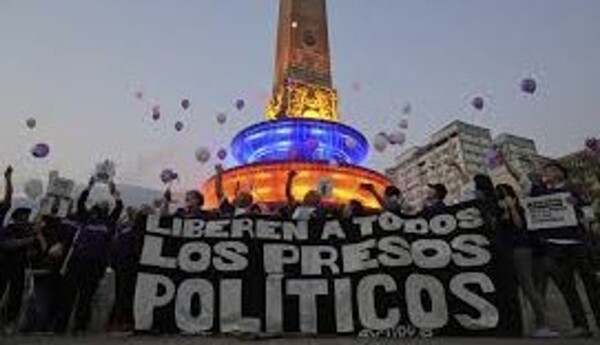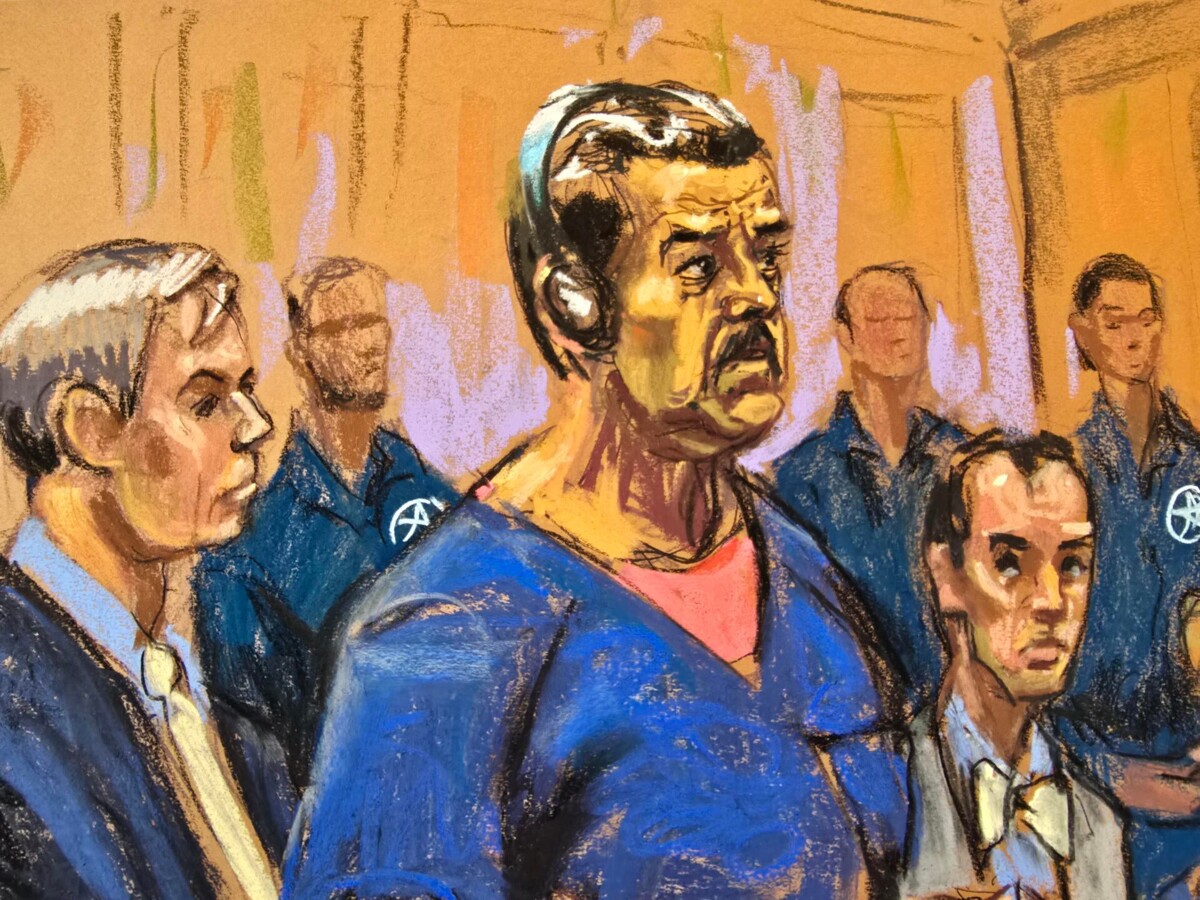
The deposed Venezuelan president, Nicolás Maduro, faces a judicial hearing in New York this Thursday, March 26, as his figure fades in Venezuela, where the government of interim president Delcy Rodríguez has focused its efforts on strengthening ties with the administration of U.S. president Donald Trump. Maduro and his wife, Cilia Flores, will appear before U.S. justice for the second time since their capture on January 3 in a military operation ordered by the Republican leader. Two days after the operation, Rodríguez took over the executive branch on an interim basis, but in practice, she has been leading a administration that has included cabinet reforms and the promotion of crucial legislation, such as the reform of the hydrocarbons law. If we stick to the facts, it seems so, which is not overwhelming given the power he once held. Political scientist and university professor Guillermo Aveledo concluded. What is expected for Maduro's second hearing? The Grand Jury maintains that for years, Venezuela facilitated the transit of tons of cocaine to the United States. In that scheme, Maduro—first as foreign minister and then as president—would have issued diplomatic passports and official cover to operators linked to the Sinaloa Cartel and Los Zetas. At the same time, Maduro has been increasingly sidelined from the public agenda. The speech of the absent president as a hero, even as a superhero, was recurrent in official propaganda until very recently (...), but it has practically disappeared, and the victimization clashes with the reality of the president's unpopularity, who may be reassessed in the future, EFE was told by the political scientist and university professor Guillermo Aveledo. At the end of last year, after the start of the U.S. naval deployment in the Caribbean, chavism closed ranks around Maduro, and during the first weeks since his capture, the rank-and-file marched daily to demand the release of the presidential couple. While this demand remains in certain speeches, photos of Maduro and Flores in the streets and in videos broadcast by state media, the growing rapprochement with the U.S., energy agreements with foreign companies, and cabinet changes are priority in official announcements. In some places, monuments and small altars calling for his return are still maintained, but it does not seem to be a coordinated or organized policy from (the presidential palace of) Miraflores, Aveledo added. In Venezuela, they 'forget' Maduro. In her nearly three months as interim president, Rodríguez has implemented significant changes, but the most substantial was the shift in relations with the United States, to the point that it seems to displace the fight for Maduro's liberation. It would be difficult to say otherwise. The key was not only the drug trafficking, but the mobility: documents and visas that opened doors, reduced controls, and granted strategic immunities to move money and people. The underlying message is that we are in a relationship of respect, reaffirming the new ties, but in practice, there seems to be at least discretion around a more explicit statement on the matter, Aveledo pointed out. The university professor indicated that this is a 'dual discourse,' with gestures of remembrance for Maduro and Flores, but it seems 'quite subtle, and perhaps even controversial within the state's own status quo.' The country is also in another 'political moment,' as the interim president declared: more than a month immersed in an amnesty process through which 8,084 full pardons have been granted—according to the Parliament—the marches of union movements demanding salary increases and demands for service failures are taking up more space on the agenda. According to the NGO Foro Penal, there are currently 503 political prisoners in the country, including 44 foreigners or citizens with dual nationality and 188 military personnel. Maduro and his wife 'beg' for economic help for Venezuela. Maduro and Flores, accused of charges related to drug trafficking and weapons possession, claim they do not have their own resources to pay for their private defense and allege that they are being prevented from using Venezuelan state funds as he is not recognized as head of state. Meanwhile, Rodríguez has called Trump a 'partner' and 'friend' and has thanked the formal recognition of her interim government, although this weakens Maduro's position. The interim president, who has not spoken this week about the trial of the chavista leader, announced the trip of a diplomatic delegation to the United States, while Trump relaxed sanctions to facilitate the reopening of the Venezuelan embassy in Washington. For Aveledo, perhaps it cannot be said that Maduro is now dispensable, but 'he is certainly a drag on the conversation.' 'Is (Maduro) a dispensable figure?'