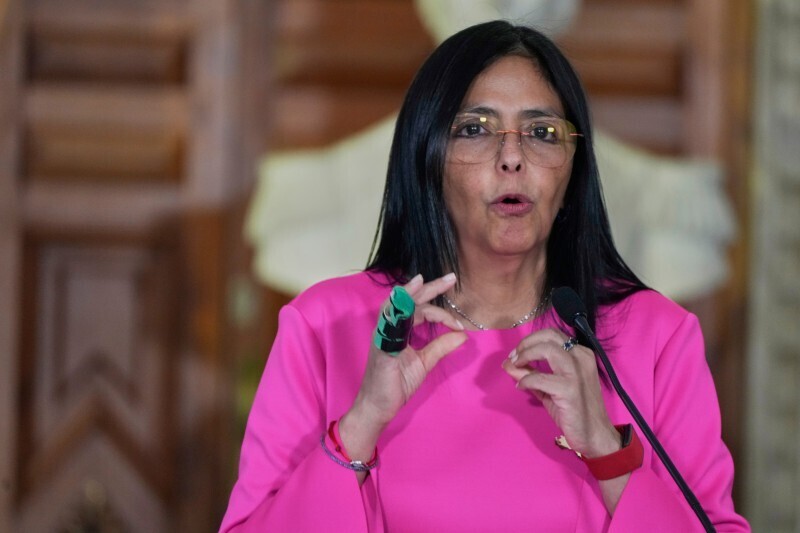
The recent approval of a hydrocarbons reform by the government of Delcy Rodríguez in Venezuela is not sufficient to attract the interest of the oil sector. The new legislation offers investors operational control over production and limits the role of PDVSA as a crude oil exporter. The reform also reduces taxes and enables international courts as a forum for dispute resolution. The entry of resources would also contribute to improving a very deteriorated infrastructure. The key: privatizing PDVSA would make it easier, according to sector executives, to dollarize the oil economy to get it running again. This week, Donald Trump accelerated agreements for India to begin buying Venezuelan oil. In the end, the nationalization of Venezuela's oil projects, voted in 2007, which led to the departure of international companies like Exxon or ConocoPhillips, is being reversed. But the changes are not enough. According to sources in the sector, the reform is only an incentive for two types of companies: those already established in Venezuela or small or medium-sized actors with a higher tolerance for risk. Rodríguez's envoys to the international oil sector, Calixto Ortega and Francisco Plascencia, are now putting on the table the possibility of privatizing PDVSA in a scheme similar to that of Colombia's Ecopetrol, which has a mixed operation. By the way: this week, Ecopetrol's CEO Ricardo Roa was at the White House accompanying Gustavo Petro on his visit to Donald Trump. Privatizing part of PDVSA would be a more consistent signal to the private sector that the liberalization of the business in Venezuela is real. By then, various analysts project that global oil demand will have grown by 2 to 3 million barrels per day, while depletion will have reduced production by 12 to 15 million barrels per day, which means the world will need around 15 million barrels of new oil per day. Therefore, any increase in Venezuelan production will not flood the market or lower prices. As for the source of these 20 billion dollars, doubts continue to appear. It is another key detail for two aspects: on the one hand, it confirms that the White House is not too interested in increasing its oil reserves and, on the other hand, it is the confirmation that Trump needs the business to revive in Venezuela. In any case, for now, progress is slow. For now, there are no signs that the Treasury is offering lines of credit to interested operators, and in the sector, as this publication revealed, the prevailing thesis is that resources will be redirected from other operations, such as would be the case with Repsol. Increasing production by one million barrels per day requires an initial investment of approximately 20 billion dollars and would take three years.