It is argued that, contrary to Bolivarian discourse, the decline in Venezuela's productive potential is not so much due to economic sanctions against the regime, but rather to the poor management of the state-owned oil company PDVSA and the loss of human capital.
The thesis circulating in the sector suggests that under a state of relative normality, Venezuela could reach 4 million barrels per day in less than five years. Executives with offices in Mexico City, both from national and foreign companies, believe that if Venezuela can operate without sanctions and with new global partners, the country could generate up to 4 million barrels of crude oil per day.
This is the production level the South American country had in the early 2000s, when chavism was just beginning. According to sources in the oil sector, Venezuela currently produces just over one million barrels per day. The country's reserves are estimated at over 300 million barrels.
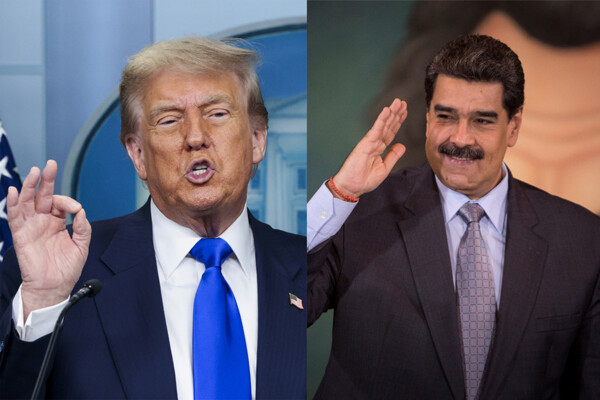
Businessmen are in a dynamic similar to that of some members of the Donald Trump administration: they prefer that chavism change its name and reformulate its policy towards the private sector rather than a change of regime that could plunge Venezuela into a long period of instability.
The oil sector is already doing the math on a possible change of government in Venezuela. It is basically the same message shared by Chevron, the only player in the sector with permission to operate in Venezuela.
«A new leadership, with military backing, pro-market and aligned with the United States, is preferable to the opposition that never managed to give certainty that it could lead the country,» explains an executive with an office in Las Lomas.
These concepts are not new. The White House's special envoy, Richard Grenell, would be of the same opinion.
Among the most interested parties in this possibility are the companies that refine in the southern United States, specifically in the Gulf of Mexico, where the facilities are used to process Venezuela's heavy crude. The total investment needed would be around 20 billion dollars.