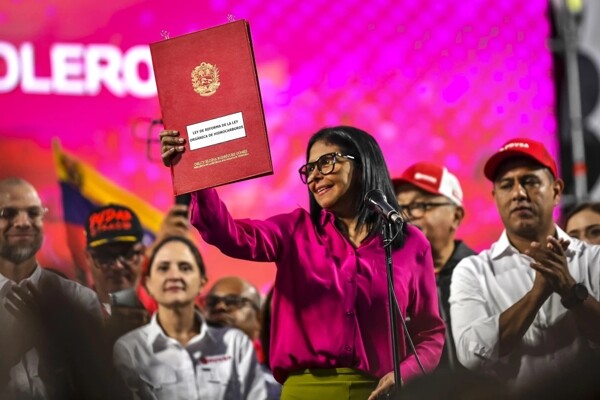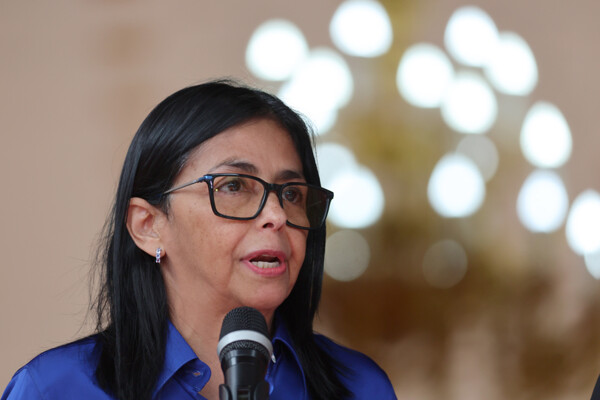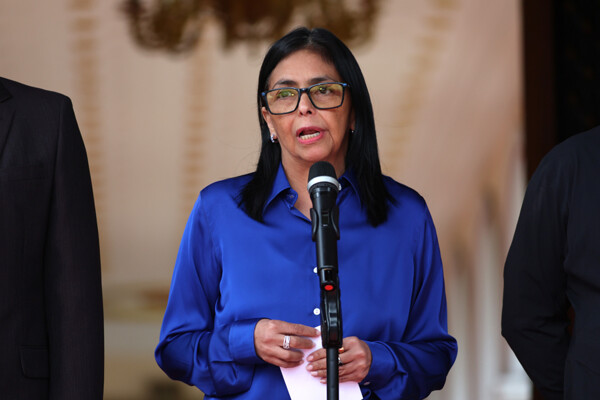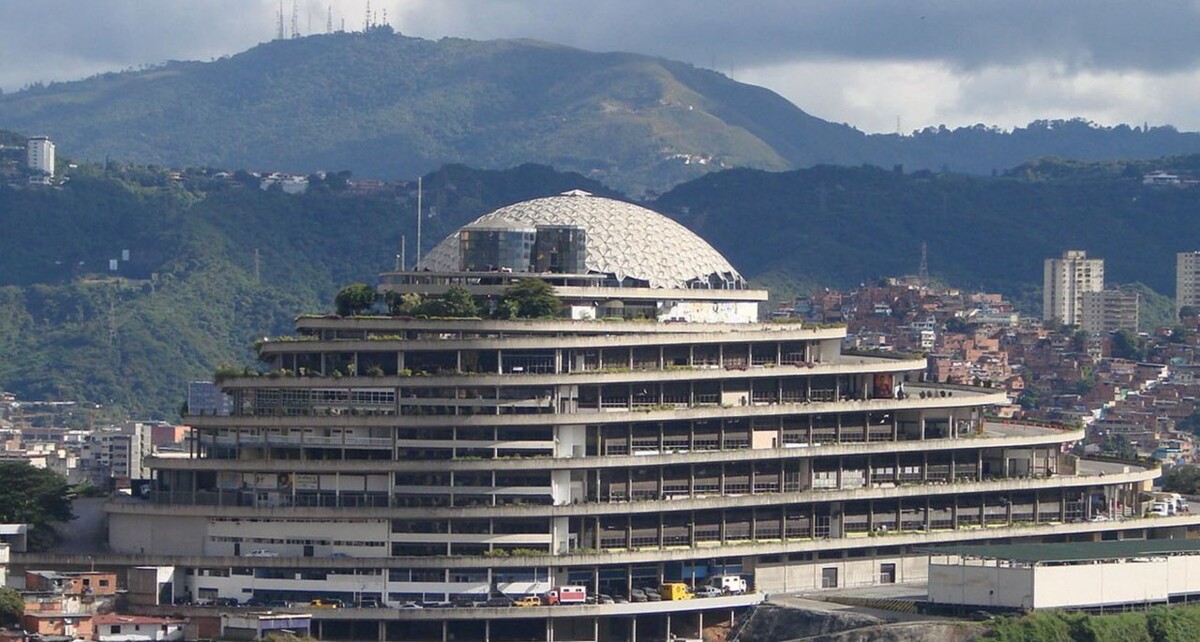
The Penitentiary Ministry indicated that the measures respond to a 'comprehensive review of cases' initiated by Maduro and continued by the acting head of state, Delcy Rodríguez. However, relatives report that there are still hundreds of disappeared detainees, such as the case of Ricardo Fonseca, whose family has not had news of him for six months. Caracas, January 13, 2026 -- The expectation for the release of political prisoners in Venezuela is going through critical hours marked by a deep contradiction between the official figures and those reported by civil society. After the government's announcement of a massive parole plan, dozens of families remain on vigil outside prisons like El Rodeo I, sleeping in vehicles and on mattresses awaiting their loved ones. According to what the Argentine News Agency learned, there is a significant gap in the records of the process that began last Thursday, which fuels the relatives' anguish due to the absence of official lists with the names of the beneficiaries. How many political prisoners have actually been released? The disparity in the numbers reflects the complexity of independent monitoring within the Venezuelan prison system: Official figure: The Ministry for Penitentiary Services reported this Monday that 116 new paroles were granted to people linked to 'facts associated with altering the constitutional order'. Democratic Unity Platform (DUP): the opposition coalition reported having reliably confirmed 73 releases until Monday night. Penal Forum NGO: the organization, which counts more than 800 political prisoners in the country, has only been able to verify the release of 56 people. Justice, Encounter and Pardon (JEP): this human rights organization put the confirmed cases at 53 until the morning of the day. Who are some of the figures who regained their freedom? Among the names confirmed by the opposition and international organizations stand out political figures and foreign citizens whose detention had generated diplomatic pressure: Political leaders: former presidential candidate Enrique Márquez, leader Biagio Pilieri, former deputy Marco Bozo, and youth leader Virgilio Laverde. Foreign citizens: the release of five Spanish citizens and two Italians (Alberto Trentini and Mario Burló) was confirmed, who are under diplomatic protection to return to their countries. Other notable cases: Lawyer Rocío San Miguel, nurse Yanny González Terán, and Didelis Raquel Corredor, former assistant to journalist Roland Carreño, were also released. What is the political context of these releases? This process is unfolding in a scenario of extreme institutional tension following the capture of Nicolás Maduro and Cilia Flores by United States forces on January 3.