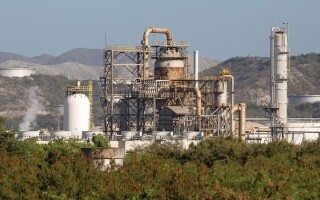
Venezuela began 2026 with expectations of new investments in its oil industry, marked by a political rapprochement with the United States and after achieving its highest production level in seven years last year, averaging 1.081 million barrels per day (bpd).
Amid an adverse scenario due to Washington's pressures, which led to the capture of President Nicolás Maduro on January 3, Venezuelan oil pumping increased by 17.3% compared to 2024. Last year, the country with the world's largest proven crude oil production exceeded one million bpd for the first time since June 2019. From March to November, production grew steadily to 1.142 million bpd, despite U.S. sanctions.
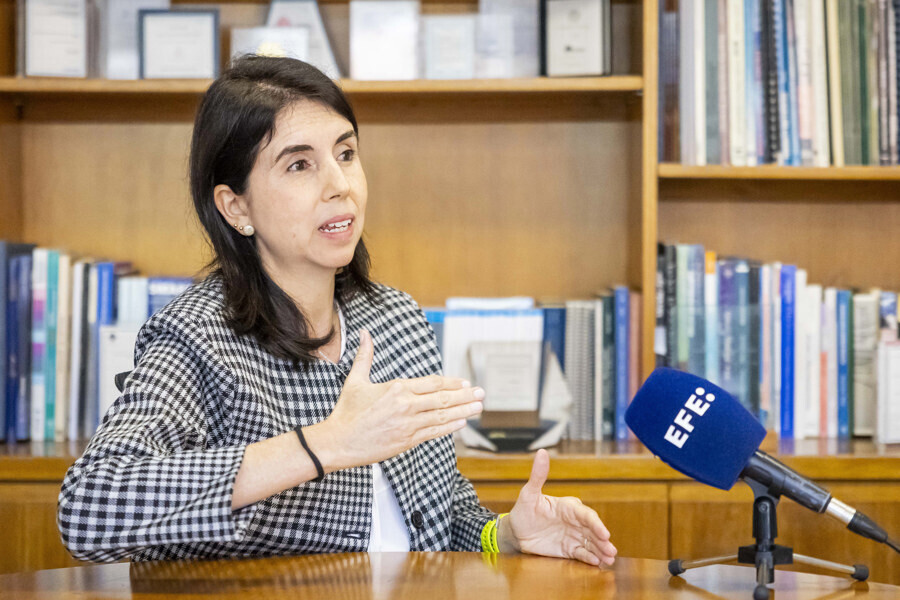
«There was a constant demand from China,» the expert said. She indicated that clients of the Venezuelan state-owned company PDVSA in the Asian giant bought up to 90% of the crude during the short period when Chevron did not have a license. In August, she continued, the U.S. oil company returned with a «more restrictive» license regarding payments to the state, but it allowed it to continue operating and contribute around 25% of the total produced in Venezuela.
A slight setback
Last December, four months after deploying its military in Caribbean waters, the United States intercepted two vessels and Trump announced a «total and complete blockade of all sanctioned tankers entering and leaving» the South American nation. That same month, PDVSA reported it was the target of a «cyberattack.»
After nine months of uninterrupted growth, production fell in December to 1.120 million bpd, a 1.9% decrease, or 22,000 bpd less than in November. According to Urdaneta, this was due to inventory accumulation from the vessel seizures. In January, tanker confiscations continued, totaling seven as of the past 20th.
Optimism
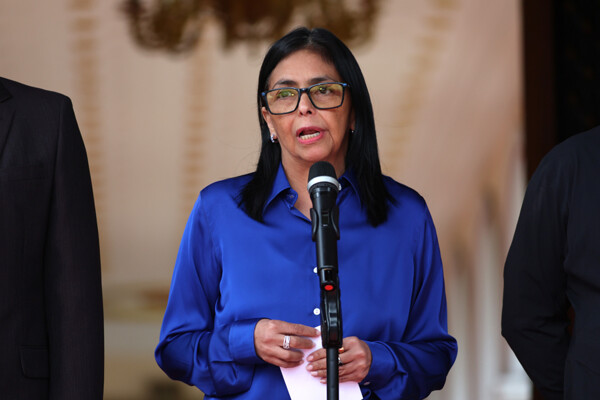
The economist stated that today the scenario «is much more optimistic.» Urdaneta specifically referred to the discussion in Parliament on the reform proposed by the country's acting president, Delcy Rodríguez, of the Organic Hydrocarbons Law, a process she sees as «positive» and believes could make investment «more attractive» and provide greater «security and legal guarantees.»
Trump, who maintains approaches with the executive led by the Chavista leader and has expressed interest in Venezuelan crude, recently offered executives from the world's largest oil companies «long-term government protection and security» and urged them to invest in this country. The Republican assured that the plan is for U.S. companies to invest «at least $100 billion of their own capital, not government money,» to revitalize infrastructure in Venezuela.
In this regard, Urdaneta indicated that in this new scenario, the country could export crude to the U.S. at market prices and in a «much faster delivery time,» instead of «selling it to China or India» with discounts and high transportation costs. This would generate a «greater flow of foreign exchange to the country,» which she said would help stabilize the foreign exchange market and thus curb inflation, for which no official figures are known since October 2024, when it was at 4%.
The expert added that under current conditions, Venezuela could add another 200,000 bpd to its production, but beyond that, it would need large volumes of investments in billions of dollars to return to the levels of a decade ago, around two and a half million barrels.